


VPS Image

High-Performance VPS Hosting for Businesses & Developers

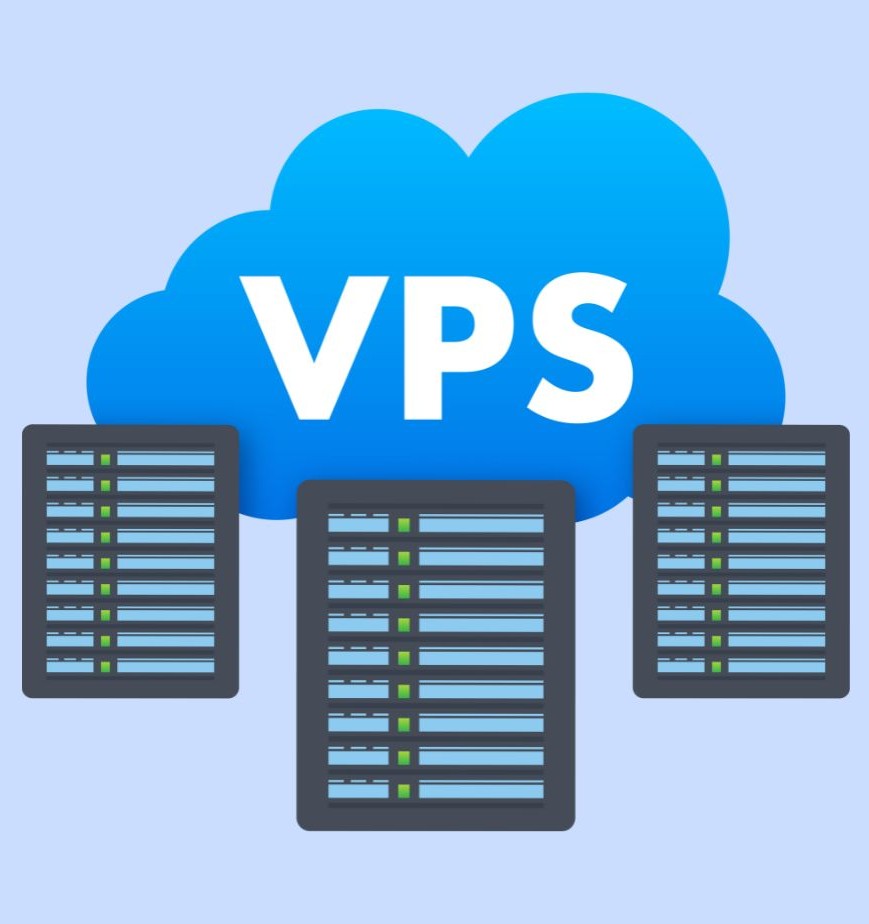
A VPS (Virtual Private Server) is a powerful web hosting solution that offers dedicated resources within a virtual environment. It bridges the gap between shared hosting and dedicated servers, giving users more control, flexibility, and performance. In VPS hosting, one physical server is divided into multiple virtual servers using advanced virtualization technology. Each VPS operates independently, with its own operating system, storage, and allocated CPU power, ensuring stability and privacy.

This makes VPS ideal for websites, applications, and businesses that require reliable hosting with room to grow. Unlike shared hosting, where resources are shared among users, a VPS provides dedicated performance and enhanced security. It allows complete root access, enabling users to install and manage software as per their needs. Whether you’re running an online store, blog, or enterprise project, a VPS offers scalability, customization, and cost-efficiency, making it one of the most preferred hosting choices in today’s digital world.

Made in USA
FDA Approved
100% Natural

What is VPS?

A VPS (Virtual Private Server) is a hosting service that provides a virtualized environment within a physical server. It combines the affordability of shared hosting with the power and control of a dedicated server. In simple terms, a VPS divides one powerful physical server into multiple independent virtual servers using virtualization technology. Each VPS functions like a standalone system with its own dedicated resources such as CPU, RAM, storage, and operating system. This means you get full control and stability without being affected by other users on the same server.

Businesses, developers, and website owners prefer VPS hosting because it delivers high performance, flexibility, and better security than shared hosting. With root access, users can install custom software, configure settings, and manage their websites or applications efficiently. A VPS is perfect for growing websites, eCommerce stores, and online applications that need consistent speed and reliability. It also allows easy scalability, so you can upgrade resources as your needs increase. Overall, VPS hosting offers a perfect balance between cost, control, and performance—making it one of the most popular hosting options in the digital world today.
VPS

How VPS Works?

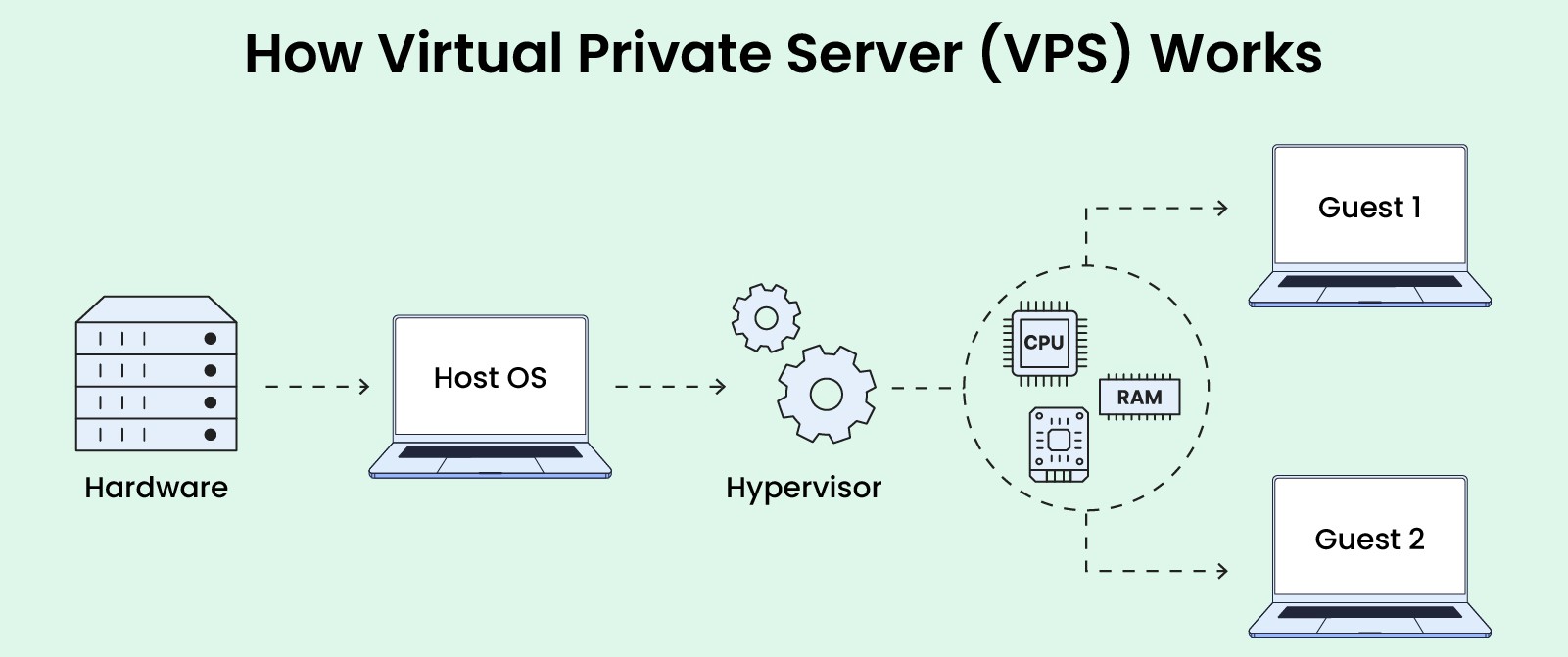
A VPS (Virtual Private Server) works by dividing a single physical server into multiple virtual servers, each operating independently. This is made possible through virtualization technology, where a software layer called a hypervisor separates the physical resources of the server and allocates them to different virtual environments. Each VPS gets its own dedicated portion of CPU, RAM, storage, and bandwidth, ensuring that the performance of one VPS is not affected by other users on the same physical server.

When you use a VPS, it functions just like a standalone server. You can install your preferred operating system, run custom software, and configure settings according to your needs. This level of control is ideal for businesses, developers, and website owners who require flexibility, stability, and enhanced security compared to shared hosting.

The VPS environment also provides isolated performance, meaning issues on one VPS do not impact others. It supports scalable resources, allowing users to upgrade CPU, memory, or storage as their website or application grows. Additionally, VPS hosting offers better uptime, faster loading speeds, and stronger security measures, making it suitable for websites, online stores, and applications that demand consistent performance.

In short, a VPS works by combining the power of dedicated servers with the affordability of shared hosting, giving users full control, reliable performance, and flexibility for growing digital needs.

Types of VPS Hosting

A VPS (Virtual Private Server) offers flexible hosting solutions to meet different user needs. Depending on the level of control, management, and performance, VPS hosting is divided into several types. Choosing the right VPS type ensures optimal performance, security, and scalability for websites, applications, or online businesses.

1. Managed VPS Hosting

In managed VPS hosting, the hosting provider takes care of server management, updates, security, and technical maintenance. This type is ideal for users who want the power of a VPS without dealing with complex server administration. It ensures smooth performance and minimal downtime.

2. Unmanaged VPS Hosting

Unmanaged VPS gives full control to the user, including server configuration, software installation, and security management. It is perfect for developers and tech-savvy users who want flexibility and customization. While it is cost-effective, it requires technical knowledge to manage the server effectively.

3. Cloud VPS Hosting

Cloud VPS uses a network of interconnected servers to host virtual servers. It provides enhanced scalability, reliability, and faster resource allocation. Cloud VPS ensures that websites remain accessible even during traffic spikes or hardware failures.

4. Linux VPS Hosting

Linux VPS runs on the Linux operating system and is popular for its stability, security, and open-source support. It is suitable for developers who need a flexible and cost-effective VPS environment.

5. Windows VPS Hosting

Windows VPS uses the Windows operating system and is preferred for applications or websites that require Microsoft technologies such as ASP.NET. It provides a familiar interface and strong compatibility for Windows-based software.

Key Features of VPS?

A VPS (Virtual Private Server) provides advanced hosting features that make it a popular choice for businesses, developers, and website owners. Unlike shared hosting, a VPS offers dedicated resources, enhanced security, and complete control, making it ideal for growing websites and applications. Here are the key features that define a VPS:

1. Dedicated Resources: Each VPS comes with its own allocated CPU, RAM, storage, and bandwidth. This ensures that your website or application performs consistently without being affected by other users on the same physical server.

2. Full Root Access: A VPS gives users full administrative control, allowing installation of custom software, configuration changes, and server management according to specific nee

3. High Performance and Stability: With dedicated resources and isolated environments, VPS hosting ensures faster loading speeds, reduced downtime, and reliable performance for websites and applications.

4. Scalability: VPS plans can be easily upgraded to add more CPU, RAM, or storage, making it flexible for websites or applications that are growing rapidly.

5. Enhanced Security: Each VPS is isolated from other servers, offering stronger protection against malware, hacking, and unauthorized access compared to shared hosting.

6. Customization Options: Users can choose the operating system, control panel, and software according to their requirements, making VPS a highly customizable hosting solution.

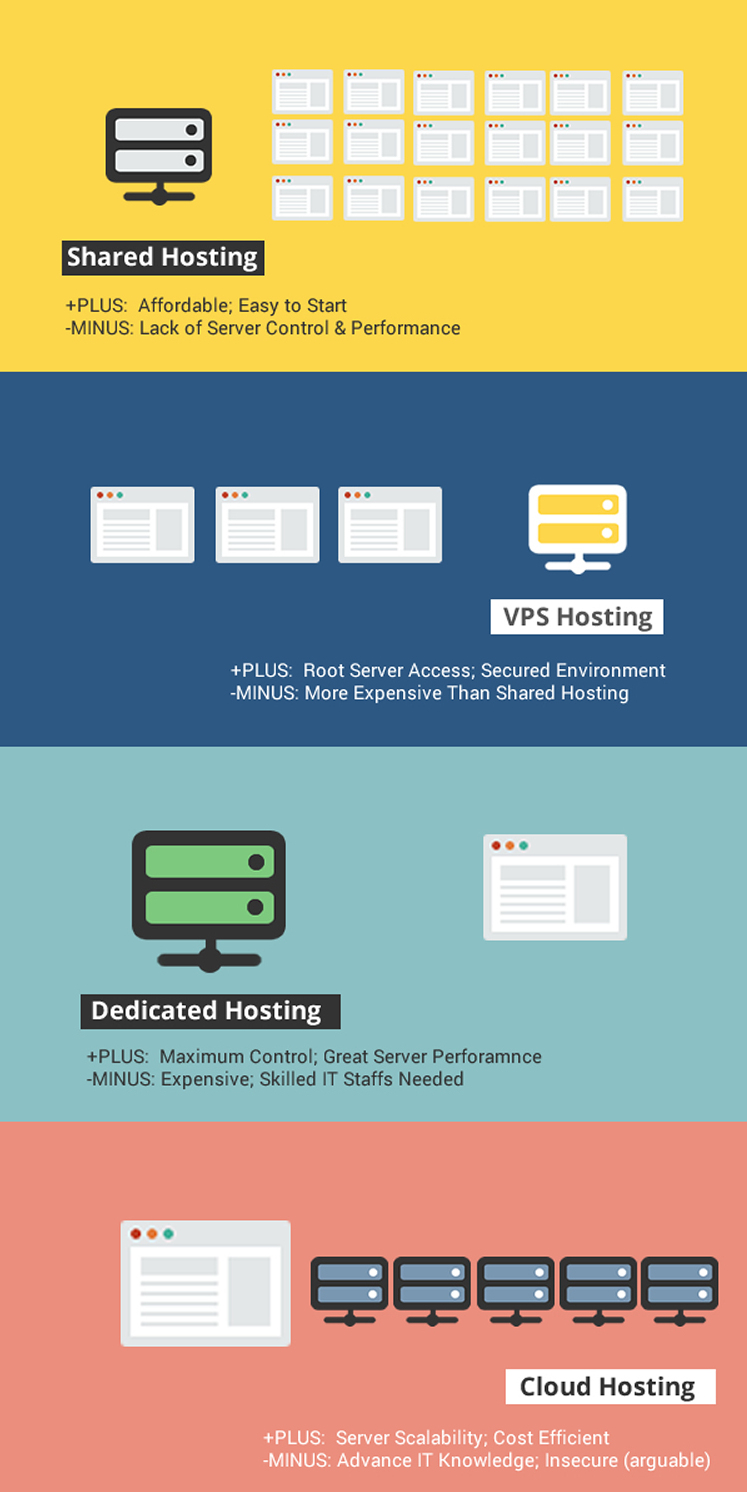
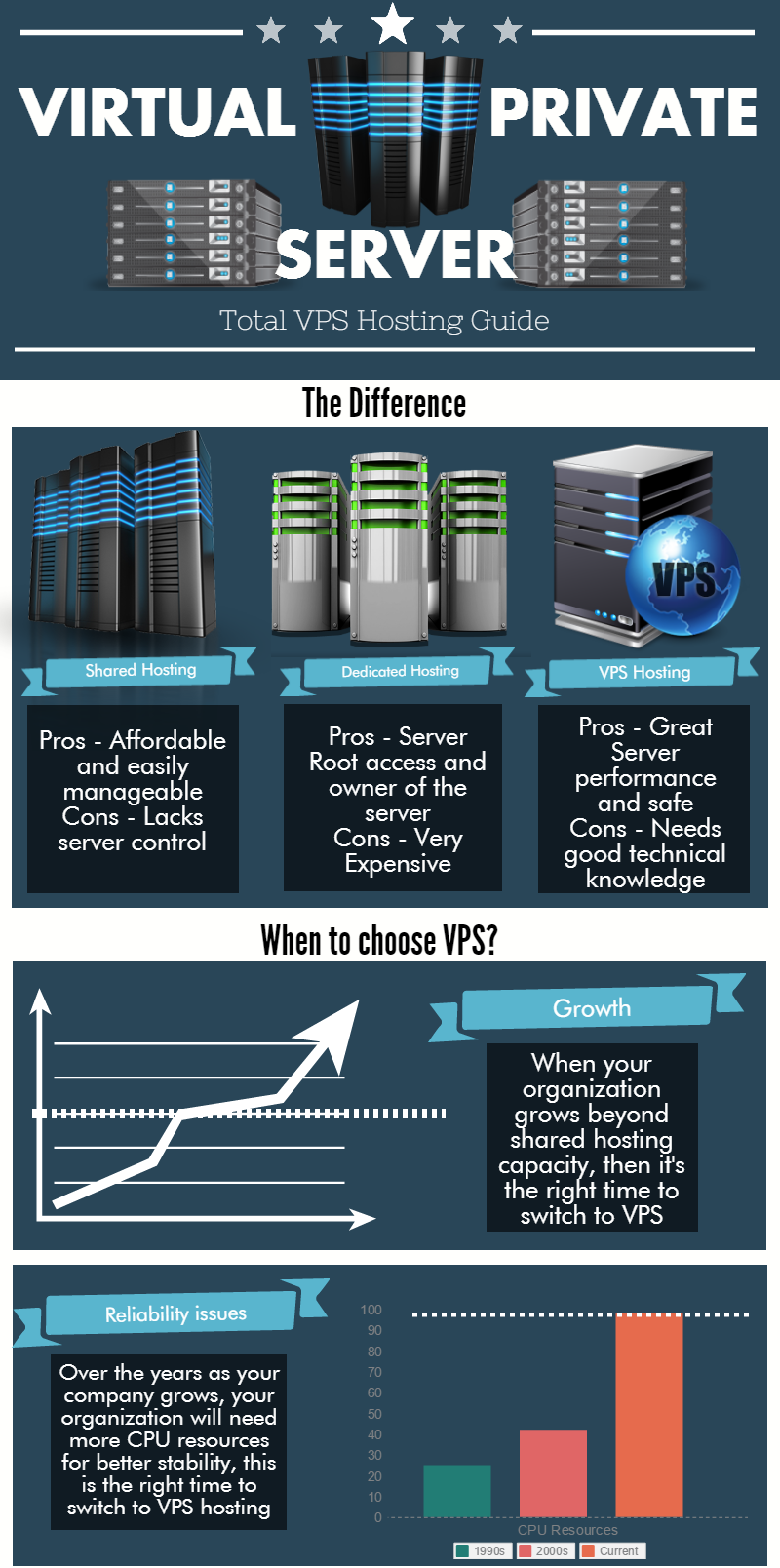
VPS vs Shared Hosting vs Dedicated Hosting

Choosing the right hosting solution is essential for website performance, security, and scalability. A VPS (Virtual Private Server) offers a middle ground between shared hosting and dedicated hosting, combining affordability with powerful features. Understanding the differences between these hosting types helps users select the best option for their website or application.


1. VPS Hosting
VPS provides dedicated resources within a virtual environment on a physical server. It offers full root access, high performance, better security, and scalability. VPS is ideal for growing websites, online stores, and applications that need consistent speed and control.


2. Shared Hosting
Shared hosting is the most basic and affordable option, where multiple websites share the same server resources. While cost-effective, it has limited performance, lower security, and fewer customization options. Websites may slow down if other users consume high resources.


3. Dedicated Hosting
Dedicated hosting offers an entire physical server for a single user. It provides maximum performance, full control, and top-level security. However, it is expensive and requires technical knowledge to manage effectively, making it suitable for large businesses and high-traffic websites.

VPS-web

Benefits of Using VPS?

A VPS (Virtual Private Server) offers an ideal hosting solution for individuals, businesses, and developers who need more power, control, and security than shared hosting can provide. With a VPS, users get a virtualized environment with dedicated resources, making it perfect for growing websites, applications, and online projects. Here are the key benefits of using VPS hosting:

1. Enhanced Performance: With dedicated CPU, RAM, and storage, a VPS ensures faster loading speeds and stable performance, even during high traffic periods.

2. Greater Control: A VPS provides full root access, allowing users to install custom software, configure server settings, and manage their environment according to specific needs.

3. Improved Security: Each VPS operates in an isolated environment, reducing the risk of malware, hacking, or unauthorized access compared to shared hosting.

4. Scalability: VPS hosting can be easily upgraded to accommodate growing website traffic or increased resource requirements, making it highly flexible.

5. Cost-Effective Solution: While offering features similar to a dedicated server, VPS is more affordable, making it suitable for small and medium-sized businesses.

6. Reliable Uptime: VPS hosting ensures consistent uptime and better server reliability, which is crucial for business continuity and user experience.

Best Use Cases for VPS

A VPS (Virtual Private Server) is a versatile hosting solution that fits a wide range of online projects. Its combination of dedicated resources, full control, and scalability makes it ideal for websites, applications, and businesses that require reliable performance and security. Understanding the best use cases for VPS hosting can help you maximize its potential.

1. Hosting Multiple Websites: A VPS allows you to host several websites on a single server without compromising performance. Each website gets dedicated resources, ensuring speed and reliability.

2. eCommerce Stores: Online stores require secure and stable hosting to handle transactions and traffic. A VPS provides enhanced security and consistent performance, making it perfect for eCommerce platforms.

3. Running Web Applications: Developers can use a VPS to deploy and manage web applications efficiently. Full root access and customization options make it easy to configure servers to meet specific application requirements.

4. Game Servers: A VPS is ideal for hosting multiplayer or online game servers. Its dedicated resources ensure smooth gameplay and low latency, even with multiple players.

5. Managing Databases: VPS hosting offers strong performance and isolation, making it suitable for hosting databases that require fast access and secure storage.

6. Testing and Development Environments: Developers can use a VPS for testing new software, applications, or websites without affecting live servers.

How to Choose the Right VPS Provider

Choosing the right VPS (Virtual Private Server) provider is crucial for website performance, security, and overall hosting experience. With many hosting companies available, selecting a reliable VPS provider ensures that your website or application runs smoothly, remains secure, and can scale as your needs grow. Here are key factors to consider when choosing a VPS hosting provider:

1. Performance and Resources: Check the VPS provider’s CPU, RAM, storage, and bandwidth offerings. Ensure that the server can handle your website or application traffic without slowing down.

2. Reliability and Uptime: A reputable VPS provider guarantees high uptime, typically 99.9% or higher, ensuring your website remains accessible and operational at all times.

3. Security Measures: Look for VPS providers that offer advanced security features, including firewalls, DDoS protection, regular backups, and isolated server environments.

4. Customer Support: Reliable technical support is essential. Choose a VPS provider that offers 24/7 support via chat, phone, or email to resolve issues quickly.

5. Scalability Options: Your VPS provider should allow easy upgrades of resources like CPU, RAM, or storage as your website or application grows.

6. Managed vs Unmanaged VPS: Decide whether you need a managed VPS, where the provider handles server maintenance, or an unmanaged VPS for full control and flexibility.

7. Pricing and Value: Compare pricing plans and features to ensure you get the best value without compromising performance or security.

Common Mistakes to Avoid in VPS Hosting

Choosing the right VPS (Virtual Private Server) provider is crucial for website performance, security, and overall hosting experience. With many hosting companies available, selecting a reliable VPS provider ensures that your website or application runs smoothly, remains secure, and can scale as your needs grow. Here are key factors to consider when choosing a VPS hosting provider:

1. Overloading the Server: Many users host too many websites or applications on a single VPS, exceeding allocated resources. Overloading can cause slow performance and downtime. Always monitor resource usage and upgrade your VPS if needed.

2. Ignoring Security Measures: A VPS offers strong security features, but neglecting firewalls, regular updates, or malware protection can leave your server vulnerable to attacks. Implement proper security protocols from the start.

3. Skipping Backups: Failing to schedule regular backups is a critical mistake. Data loss can occur due to server errors, hacking, or accidental deletion. Always maintain automated backups for protection.

4. Choosing the Wrong VPS Type: Selecting unmanaged VPS without technical knowledge or opting for limited resources can lead to problems. Understand your requirements and choose a VPS type that fits your needs.

5. Neglecting Server Monitoring: Not monitoring server performance and uptime can result in undetected issues. Use monitoring tools to track resource usage and resolve problems proactively.

6. Ignoring Technical Support: Opting for a VPS provider with poor or limited support can make troubleshooting difficult. Always choose a provider with reliable 24/7 support

FAQs About VPS

1. What is a VPS?

A VPS (Virtual Private Server) is a hosting solution where a physical server is divided into multiple virtual servers, each with dedicated resources like CPU, RAM, storage, and bandwidth. It provides better performance, security, and control compared to shared hosting.


2. How does VPS work?

A VPS works through virtualization technology. A hypervisor splits a physical server into isolated virtual servers, giving each VPS its own operating system, storage, and resources. This ensures consistent performance and security for users.


3. What are the benefits of VPS?

VPS offers enhanced performance, better security, full control, scalability, and reliability. It is suitable for growing websites, eCommerce stores, applications, and developers needing a flexible hosting environment.


4. VPS vs Shared Hosting – which is better?

VPS provides dedicated resources, full root access, better security, and scalability, while shared hosting shares resources with other users. VPS is ideal for medium to high-traffic websites, while shared hosting suits small blogs or basic websites.


5. VPS vs Dedicated Hosting – what’s the difference?

A dedicated server gives you an entire physical server, offering maximum power and control, but at a high cost. VPS provides similar control in a virtual environment at a fraction of the price, making it a cost-effective solution.


6. What are the types of VPS hosting?

The main types are managed VPS, unmanaged VPS, cloud VPS, Linux VPS, and Windows VPS. Each type offers different levels of control, technical support, and performance based on user needs.


7. What is managed VPS hosting?

Managed VPS hosting means the provider handles server maintenance, updates, security, and monitoring. It is suitable for users who want the power of VPS without dealing with technical server tasks.


8. What is unmanaged VPS hosting?

Unmanaged VPS gives the user full control over server management, configuration, and maintenance. It is ideal for experienced developers who want complete customization and flexibility.


9. Can I upgrade my VPS resources?

Yes. One of the biggest advantages of VPS hosting is scalability. You can upgrade CPU, RAM, storage, or bandwidth as your website or application grows, without migrating to a new server.


10. Is VPS secure?

VPS is more secure than shared hosting because each server operates in isolation. You can implement firewalls, antivirus software, and secure configurations, making it suitable for sensitive data and online transactions.


11. Do I get root access with VPS?

Yes, most VPS plans provide root access, allowing full control over the operating system, installed software, and server configuration. Managed VPS may limit some administrative functions depending on the provider.


12. Can VPS handle high traffic?

Yes. VPS is designed to provide dedicated resources, ensuring stable performance during traffic spikes. It is ideal for growing websites, online stores, and applications expecting high user traffic.


13. Is VPS expensive?

VPS is more affordable than a dedicated server but more expensive than shared hosting. It offers a balanced solution for users needing control, performance, and security without the high cost of dedicated servers.


14. Can I host multiple websites on a VPS?

Yes. VPS can host multiple websites efficiently. Each website can utilize dedicated resources, ensuring stable performance, fast loading times, and better security compared to shared hosting.


15. Can I use VPS for applications?

Absolutely. Developers can deploy and manage web applications, databases, or custom software on a VPS. Full root access and resource allocation allow customization and optimal performance for applications.


16. Do I need technical knowledge for VPS?

It depends on the type. Managed VPS requires minimal technical knowledge as the provider handles maintenance, while unmanaged VPS requires advanced technical skills to manage and configure the server.


17. How reliable is VPS hosting?

VPS hosting is highly reliable. With dedicated resources and isolated environments, it offers consistent uptime, better performance, and minimal server conflicts, ensuring websites and applications remain online.